Kansas City is a deceptively competitive local search market. On paper, it looks straightforward: a metro of roughly 2.2 million people, a patchwork of municipalities, and a healthy mix of service businesses that rely on neighborhood visibility. In practice, the SERPs for “near me” queries toggle by city line, highway, and even river orientation. A roofer in Overland Park will not see the same results as a roofer in Gladstone. Local SEO success here comes down to aligning your investment with how Google redistributes visibility across neighborhoods, service areas, and intent types. The right bundles, add-ons, and upsells save budget where it does not move the needle and concentrate effort where Google is already signaling demand.
I have spent years running local SEO for small businesses across the metro: Plaza boutiques competing on brand plus proximity, Northland contractors battling for Map Pack share across sparse population pockets, and multi-location medical groups balancing HIPAA-safe review generation with strict local SEO optimization. If you are sizing a plan from a local SEO agency or a local SEO company, look past the labels and ask how each local seo strategy component impacts intent, distance, and prominence. The bundle names matter far less than the balance of work inside them.
Why bundles exist and where they usually go wrong
Most local SEO services are built into tiered bundles because clients prefer predictable monthly costs. This is reasonable, and it can work, but rigid packaging often creates mismatches. A cafe in Brookside with strong foot traffic does not need the same weight of link building a basement waterproofing company needs. A solo dental practice with a long waitlist does not benefit from aggressive local seo marketing if its Google Business Profile (GBP) is under-optimized or its insurance list is hidden on the site.
I see three recurring misalignments. First, agencies sell content volume instead of content coverage. Ten posts a month about generic tips does not beat three well-structured service pages plus two location-targeted guides that map to real queries. Second, technical overkill for simple sites drains budget from reputation work, even though reviews move Map Pack rank faster for service-area businesses. Third, enterprise reporting gets sold to small teams who only need three metrics: calls, forms, and ranking within target zip clusters. Good bundles respect the maturity of your local seo strategy and the realities of your market footprint.
The Kansas City factor: neighborhoods, borders, and SERP fragments
Geography shapes local seo optimization here. The Missouri-Kansas split means address fields, service areas, and schema need to be precise. A Crossroads address can rank across Midtown if the entity is strong, but the same entity might not penetrate Prairie Village without an intentional relevance signal. The Northland spreads volume across large tracts, so proximity carries a bigger weight, while Johnson County searches tend to carry higher commercial intent and tighter service expectations. I test SERPs with both logged-in and clean profiles from specific coordinates, not just by city name, because the Map Pack often swings when you cross Ward Parkway or I-435.
It helps to think in catchments. If your storefront sits near a boundary, target content and Google Business Profile categories to earn relevance on both sides. A HVAC contractor located just east of State Line Road should mirror service page language to the way Kansans search: “Lenexa AC repair,” “Leawood furnace tune-up,” and mention neighborhoods and landmarks naturally. That is not keyword stuffing. It is local seo solutions tuned to user intent geography.
What should be in a core local SEO bundle
A solid base bundle covers the non-negotiables: entity clarity, crawlability, and conversion hygiene. It is less about volume and more about correctness. For most Kansas City small businesses, the right foundation includes:
- Google Business Profile build and hardening: category selection, primary and secondary, service lists that match the site, structured service descriptions, hours with seasonality, products if you have them, and Q&A seeded with accurate answers clients already ask by phone. Technical cleanliness for a local site: fast hosting, core web vitals within green ranges for mobile, no orphan pages, no bloated plugin stacks, and clear internal linking that points authority to money pages. On-page relevance: each service and each city page mapped to a specific intent, with headings that match search language, not brand slogans. Schema for LocalBusiness or a subtype, plus service schema where applicable. Reviews program: an ethical, consistent mechanism to request, respond, and categorize reviews. Build attributes in the replies that reinforce topical relevance without sounding robotic. Baseline local citations: primary aggregators and the obvious verticals. No shotgun directory blasts. Quality and consistency matter more than quantity.
If a local seo consultant tells you this is too basic to matter, ask them to test a lift. When you bring a GBP from partial to complete, align it to the site, and fix conversion friction, you usually see a 20 to 60 percent increase in calls within 60 to 90 days, assuming search demand is stable. I have repeated that pattern with plumbers, med spas, and restaurants from Waldo to Liberty.
Add-ons that actually move the Map Pack
Add-ons exist to bend the curve once the foundation is set. Some are worth the cost early, others only after you hit a plateau. The right timing depends on your category and service area.
Localized content sprints are the first lever I reach for. Instead of churning weekly blogs, we run a three to six week sprint that produces a small set of high-intent pages, each tied to a target zip cluster. A pest control company in Overland Park built four pages around termites, spiders, ants, and wasps, each framed with references to neighborhoods like Nottingham Forest and Nall Hills. Those pages earned impressions and supported GBP relevance across the broader Johnson County map. The pages were simple. Hero with the service, specific problems by season, embedded map with driving direction anchors, and internal links to booking. That beat a dozen generic posts.
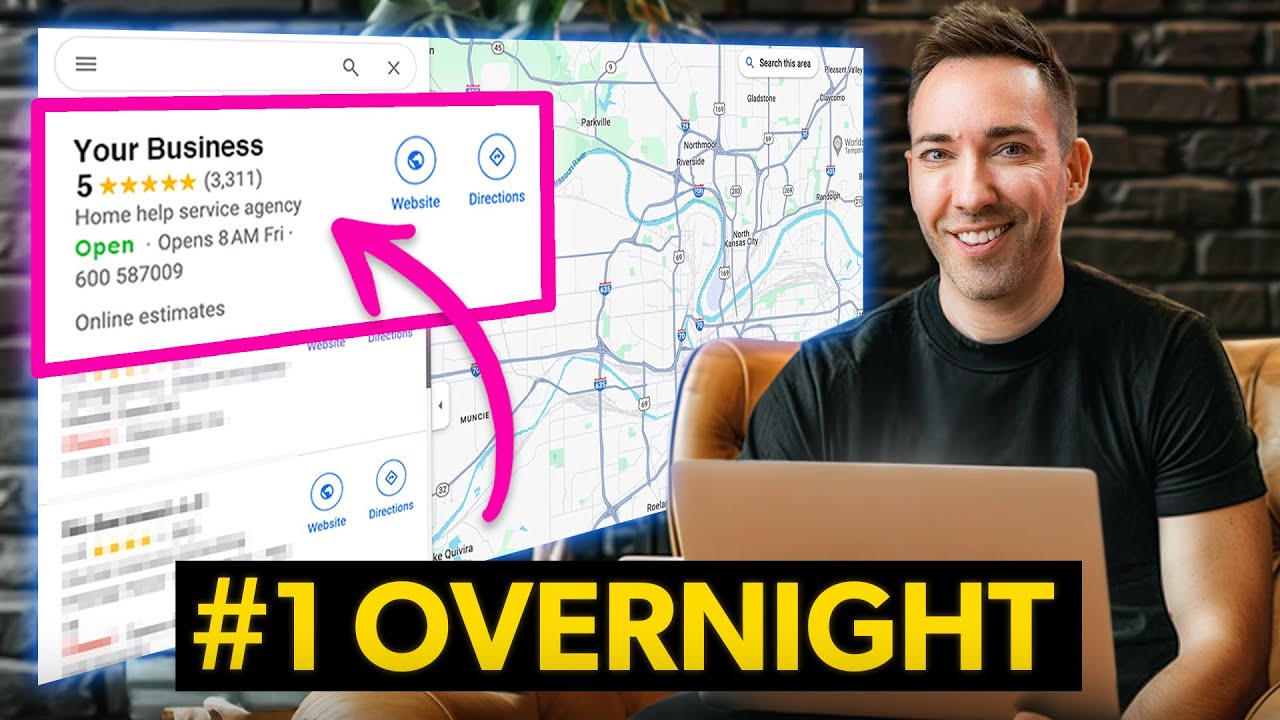
Review acceleration, done right, changes your ranking envelope and your conversion rate at the same time. Two tactics matter. First, lower friction for happy customers to leave a Google review by using short links and QR codes that deep link to the review window. Second, respond to reviews with context and specificity. Mention the service and location if the customer already brought it up. You are not stuffing. You are anchoring evidence.
Inbound links with local footprints help, though I avoid buying them. Sponsor a youth sports team in Lee’s Summit, secure a link on the league’s site, and back it up with a recap on your own site that gets shared by parents. Co-author a small home maintenance guide with a local real estate office and place it on both sites with canonical clarity. You do not need dozens. A handful of genuine local links outrun a hundred flimsy citations.

GBP post cadence works for some verticals, not all. For seasonal businesses, posts act like recency signals and support offer-based queries. I have seen post-driven bumps for snow removal and med spa specials during peak months. For steady, year-round services, posts matter less than Q&A and service updates.
Upsells that need real scrutiny
The upsell conversation is where local seo services often get fuzzy. You will see proposals for enterprise reporting, heatmaps, and multi-city microsites. Some of these can help, but without restraint they become a budget sink.
Call tracking is critical, but you do not need a dozen numbers and attribution models from day one. Use a single dynamic number on the site and a single tracking number on GBP. Rotate later if your lead sources diversify. I ran a roofing campaign where consolidating from five numbers to two reduced misattribution and revealed that 65 percent of calls originated in the Map Pack, not the service pages. That led us to invest in review velocity and GBP photo updates instead of more top-funnel content.
City page sprawl is another common upsell. The rule I follow is simple: only build a city page when you can reference real work, reviews, or partnerships in that location, and when search volume supports the investment. Ten thin city pages in the Northland dilute each other. Three strong pages with job photos, named neighborhoods, and client quotes will outperform.
Programmatic content gets pitched as a fast path to scale. For a multi-location brand, careful templates with human editing can work. For local seo for small businesses, templated fluff invites low engagement and, over time, undercuts the signal that your site is a trustworthy authority in your niche. Build fewer pages with richer detail.
Pricing logic that fits Kansas City realities
I see sustainable outcomes when budgets match market dynamics. A barber shop near Westport needs modest spend focused on GBP, reputation, and foot-traffic intent. A personal injury firm downtown needs aggressive content and links because the SERP is nationalized with directory giants. Most home services in the metro fall in the middle.
A base local seo package in this region often starts in the low four figures monthly for single-location businesses. If a local seo agency quotes much less, confirm they are allocating real hours to reviews, content, and technical upkeep, not just automated reports. When your service area spans both Kansas and Missouri, expect a premium for content calibration and compliance, especially in regulated niches like medical or legal. Those extra hours go into fact checking, schema accuracy, and careful review responses.
How to choose between a local seo company, agency, or consultant
The model matters less than the person doing the work. An agency has breadth: content writers, developers, and link outreach. A local seo consultant often brings sharper focus and senior attention. A local seo company may productize services, which helps with predictability. Ask who writes your service pages, who responds to reviews, and who handles GBP edits. If the answer is “a rotating team,” you might experience slow learnings. Kansas City nuance takes time to internalize.
I prefer lean teams for small businesses. One strategist, one writer who knows the area, and a light developer. Larger brands with multiple locations benefit from an agency’s tooling and QA muscle. Either way, insist on transparent deliverables tied to outcomes, not just activity logs.
A blueprint for bundles, add-ons, and upsells that actually help
Think in phases rather than fixed tiers. Phase one, stabilize the entity. Phase two, earn relevance in a focused footprint. Phase three, expand that footprint and raise authority. An example for a two-location med spa in Briarcliff and Leawood:
- Phase one, 60 days: fix site speed, consolidate duplicate service pages, map primary and secondary categories cleanly for each GBP, build review request flows through text with HIPAA-safe workflows, correct NAP citations in key medical directories, and write two service pages that match high-value procedures with clear before-and-after galleries. Phase two, 90 days: add three localized guides that address seasonal KC concerns such as humidity impact on skin treatments, populate Q&A with the top pre-appointment questions, launch a photo cadence that shows real staff and rooms, and secure two local links through partnerships with wellness studios. Phase three, ongoing: test paid discovery on Maps to supplement organic during promotions, expand to city pages only where the patient base already exists, and maintain a steady review velocity that matches appointment volume.
Each phase aligns with outcomes. By month three, you should see higher quality calls and forms, not just more traffic. If you are not, look at the intake process, not just rankings. I have watched teams lose 30 percent of leads because voicemail was full on Saturdays.
What to track and report without drowning in dashboards
Local SEO data can overwhelm. Most owners do not need ten reports. Three metrics drive decisions: Map Pack visibility for target queries, calls and forms attributed to organic and GBP, and revenue or booked appointments tied to those leads. I add two qualitative layers. First, listen to a sample of recorded calls to catch staff issues or mismatched offers. Second, watch how people move through your site with simple analytics overlays. If most users bounce from a service page to the contact page, good, but if they bail on the booking form, fix the form.
For rank tracking, use geo-grids sparingly. A 7x7 grid for three core terms across your primary service area tells a clear story. More grids add noise. I use them to test the impact of new reviews or a content page, not to impress with heatmap colors.
Practical add-ons that are small, cheap, and high impact
Two small items deliver outsized returns in Kansas City. First, Google Business Profile photos taken outside the entrance with recognizable surroundings. Capture the skyline edge, a well-known intersection, or a local landmark. Those images help users trust directions and reassure them that you are local. Second, driving direction pages that include short, human directions from three major roads or neighborhoods. These pages get long-tail clicks and, over time, strengthen entity connections.
Another subtle add-on is event-specific content. If your business sees a surge around events like First Fridays, Chiefs home games, or Plaza Art Fair, add a short notice on your site and a GBP post clarifying hours, parking, and booking availability. I have seen measurable upticks in discovery queries leading into those weekends.
Content quality as a competitive edge, not a cost center
Local content does not mean low effort. The best performing pages I have launched for Kansas City businesses read like they were written by someone who lives here and does the work. A home remodeler’s page that includes before-and-after shots from a Brookside bungalow, a few lines about clay tile roofs and foundation quirks on older homes, and a simple pricing range lands better than a sterile checklist. Search engines respond to engagement and clarity.
Avoid generic listicles. Put numbers to your claims. If you say you can usually schedule a service call within 48 hours, explain that winter loads add a day, and that you triage no-heat calls same day within the 64113 and 66206 zips. That specificity drives both rankings and conversions. It signals experience, not marketing fluff.
Common pitfalls with bundles and how to avoid them
I still see agencies selling massive citation blasts. After the first wave of authoritative directories, diminishing returns hit fast. Worse, you introduce inconsistencies that take months to unwind. Spend that time on reviews and on-page improvements.
Another pitfall is siloing content and GBP. The two should echo each other. If you add a new service page for sump pump installations, update the GBP services list and add a Q&A that addresses the most frequent concern, such as power outages and backup systems. The cross-signal raises relevance.
Finally, beware of flat-fee link packages promising domain authority jumps. Local seo marketing for service businesses depends more on a small set of relevant, local links than on global DR metrics. If a prospecting email lists dozens of unrelated sites, pass.
When upsells are justified and what they look like
There are moments when heavier investments are warranted. A franchise entering the market with three new locations can justify a programmatic build if every page gets edited by a human who knows the area. A medical practice expanding into Overland Park may need paid Maps ads during the first quarter to earn phone calls while organic relevance ramps. A law firm competing against national directories may need sustained digital PR that ties to local news cycles, like coverage around winter driving accidents or changes in municipal codes.
These upsells should come with exit criteria. For example, run paid Maps until you secure top three Map Pack positions for five core terms in your target grids for four consecutive weeks. Or maintain link acquisition until three independent, local press mentions are live with referral traffic. Tie the spend to milestones, not just time.
How to evaluate an agency’s proposed bundle
When a local seo agency sends a proposal, check for three things. Does the plan diagnose your current entity health with specificity, naming duplicate listings, category mismatches, and on-page gaps? Does it map work to neighborhoods and borders, not just city names? And does it translate monthly activity into testable hypotheses, like “adding 30 reviews over 90 days should raise your average grid position by 1 to 2 spots in 66212 and 66213”? If the proposal lists tasks without hypotheses, ask for them. Testing turns local seo services into a learnable system.
You should also ask for two examples of work: one before-and-after of a GBP and one content page that ranks for a non-branded term. If the examples come from markets with different dynamics, like coastal metros, ask the team what they would change for Kansas City.
A simple, durable structure for your investment
Build a base that never goes out of style: fast site, clear services, consistent NAP, truthful content, and steady reviews. Layer add-ons that respect how Google treats proximity and prominence in your specific neighborhoods. Accept upsells when they help you cross a known gap, and set exit conditions so you do not stay in ramp mode forever.
Local SEO is not magic, but it is unforgiving of sloppiness. Kansas City’s mix of borders, bridges, and neighborhood identities rewards teams that sweat details. A dependable bundle will keep the lights on. Smart add-ons and selective upsells will earn you the map placements that pay the bills. If you ground every decision in user behavior and local nuance, you will outlast competitors who chase noise.
A short, practical checklist to pressure-test any bundle
- Does the plan specify GBP categories, services, and Q&A that mirror on-site content, with clear owners for each field? Are at least three high-intent, locally grounded pages scheduled in the first 60 days, with internal links and media? Is there a defined review velocity target with compliant request methods and response guidelines? Will reporting show calls and forms by source, plus a small set of geo-grids for priority terms? Are add-ons tied to hypotheses and exit criteria rather than open-ended tasks?
That is the kind of clarity you should expect from a local seo consultant who knows this market. You do not need everything at once. You need the right work in the right order. When your plan respects that, Kansas City’s fragmented SERPs start to look less like a wall and more like a map you know by heart.